Food safety
Fridge first, freezer second, cupboard last
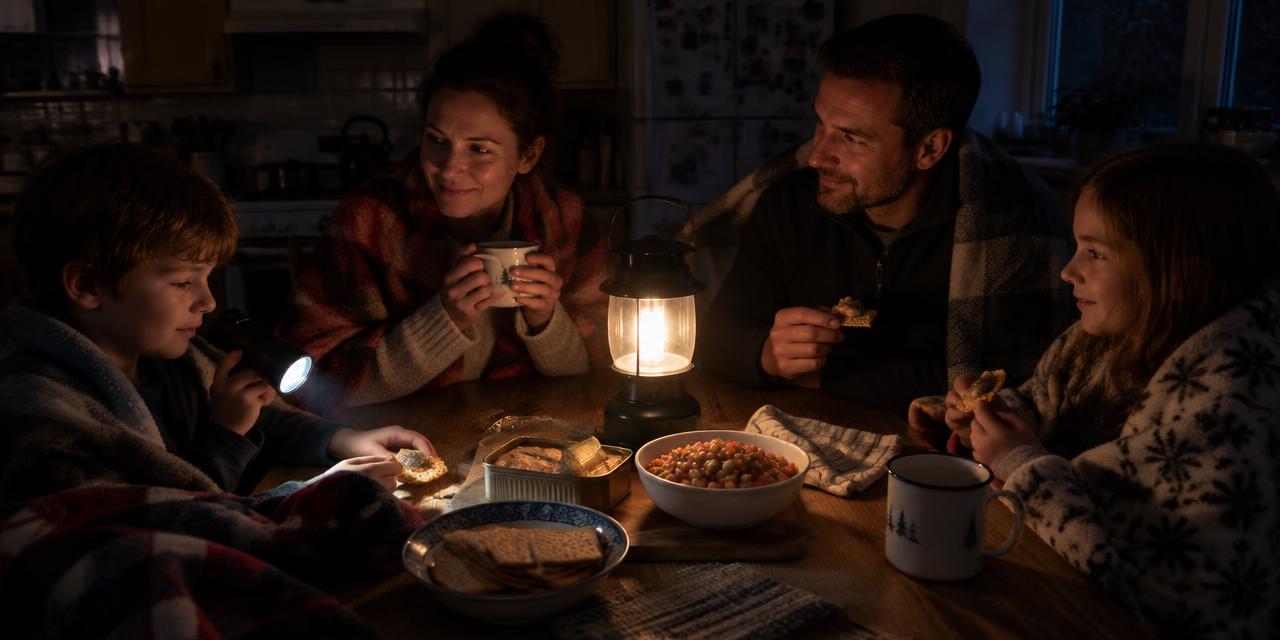
In a power cut, eat chilled food first. A closed fridge stays cold for about 4 hours; a full freezer for around 48 hours. Keep doors shut.
Useful tips
Food safety
In a power cut, eat chilled food first. A closed fridge stays cold for about 4 hours; a full freezer for around 48 hours. Keep doors shut.
Food safety
Discard chilled meat, fish, dairy and leftovers above 8°C for more than 4 hours.
Food safety
The guidance recommends food you already eat, so you rotate stock into normal meals and nothing is wasted.
Cooking
Camping stoves and barbecues produce carbon monoxide. Cook outside or by an open door, and have a CO alarm.
Cooking
Choose tins that only need warming, quick-cook pasta and pre-cooked rice to save gas and water.
Cooking
Microwave rice, grains and lentil pouches are fully cooked and can be eaten straight from the pack.
Water
That's for drinking only. Keep extra for cooking, brushing teeth and washing hands.
Water
If a disruption is forecast, fill bottles, jugs and the bath (for flushing).
Getting ready
Add one or two items to your normal shop. Check cupboards first — you may already have much of it.
Getting ready
Set a reminder to check expiry dates and swap items into everyday meals.
Getting ready
Swap contact details and agree who might need checking on — especially older or vulnerable neighbours.
Getting ready
Paper copies of emergency numbers, medication and doses, and the FM frequencies of your local radio station.